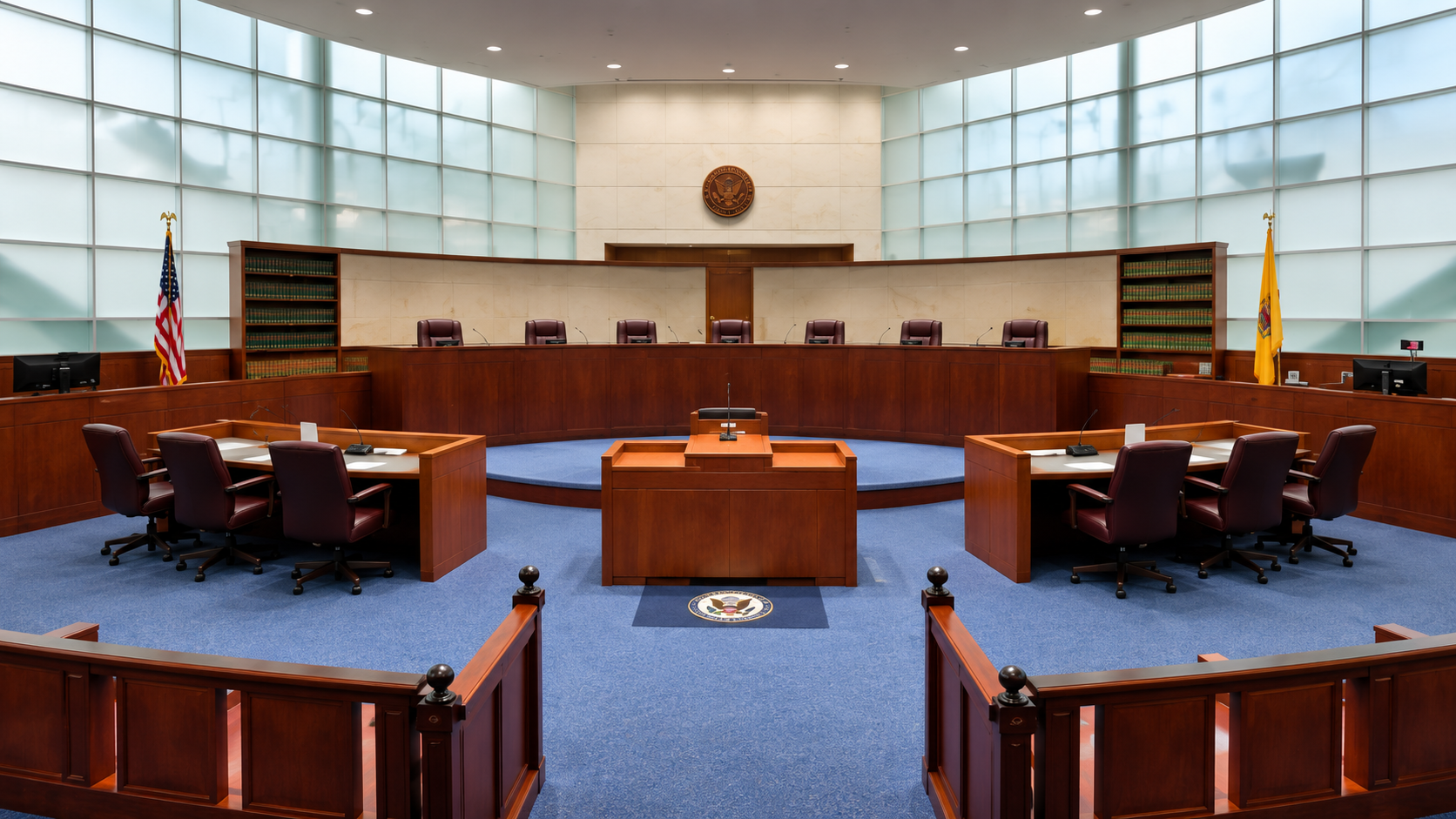
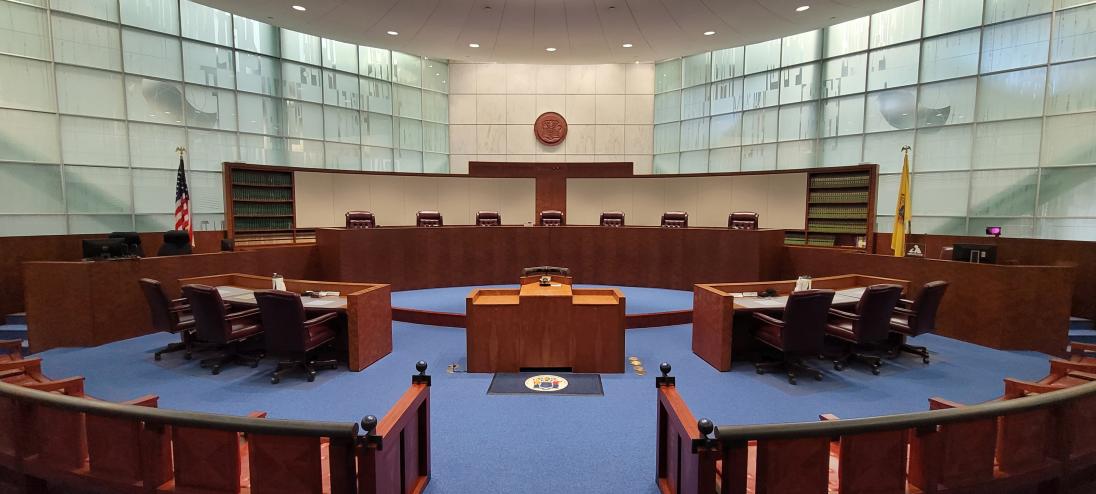
On February 26, 2026, the New Jersey Supreme Court announced a comprehensive set of amendments to the rules governing briefing in Supreme Court appeals. The new framework introduces “merits briefing” as the standard model for all appeals taken on or after February 10, 2026. These amendments represent the most significant restructuring of the Court’s briefing procedures in years, and they touch many aspects of the appellate process, from the parties’ initial submissions to amicus participation to public access.
What the New Model Replaces
Under the prior framework, the parties’ briefs to the Supreme Court on a petition for certification or motion for leave to appeal, in conjunction with their submissions to the Appellate Division, frequently doubled as their merits submissions on the issues presented. Parties could move for leave to file supplemental briefing, but no deadline governed those motions, and the resulting delays often pushed back the scheduling of oral argument. This approach sometimes left the Court working from a fragmented, unsynchronized set of filings – multiple briefs, all filed before the Court agreed to hear the case, that did not always squarely address the issues as the parties or the Court would ultimately frame them.
A Single, Consolidated Merits Brief
Under the new framework, parties must now file a single, consolidated merits brief after the Court grants certification or leave to appeal. The appellant’s brief is due first, within 40 days. The respondent’s brief follows 30 days later. The appellant then has 24 days to file a reply. The entire briefing cycle concludes in approximately 94 days. The result is a marked improvement in predictability and efficiency over the prior system, where the timeline could stretch considerably depending on supplemental briefing motions.
Initial merits briefs are capped at 50 pages, and appellant’s reply brief is capped at 15 pages. These briefs supersede all briefs previously filed with the Court in the matter and are expected to present each party’s complete argument on the issues before the Court. With the introduction of the merits brief, practitioners can now focus their advocacy on a single, definitive document rather than stitching together arguments across certification papers and Appellate Division briefs.
Restructured Amicus Practice
The amendments also bring substantial changes to amicus curiae participation. Under the old rules, amicus motions were due on a single date—75 days after the Court posted a notice on its website—which fell after the parties had already completed their briefing. Extension requests were common, and amicus submissions arrived as a separate layer of advocacy, often disconnected from the parties’ core arguments.
The new model integrates amicus deadlines into the parties’ briefing schedule. Proposed amici must file their motion for leave to appear, accompanied by the proposed amicus brief itself, within 10 days after the respondent files its merits brief. Both parties then have 14 days to respond: the appellant may address amicus arguments within its reply brief, and the respondent may file a separate response of up to 15 pages. In light of this new briefing schedule, organizations considering amicus participation should begin their work well in advance, monitoring the Court’s docket and analyzing party briefs as they are posted; the 10-day window leaves little room to start from scratch.
Several additional constraints accompany these timing changes. The Court will no longer accept motions for extension of time from proposed amici. Further, the page limit for amicus briefs has been reduced from 50 pages to 30 pages, reflecting the Court’s view that amici, who do not carry the burden of presenting a detailed factual record or procedural history, can make their arguments more concisely. And proposed amici must now state on the cover of their brief which party or parties they support or, if unaligned, whether they favor affirmance or reversal.
Enhanced Public Access
The Court has also taken steps to improve transparency around its docket. Under the old practice, briefs were posted to the Court’s website only once oral argument was scheduled. Going forward, publicly filed materials will be uploaded as soon as the appeal is taken and updated as merits briefs come in. The website will also display the decision under review, a summary of the issues, the amicus filing deadline, and the Court’s order. This rolling approach benefits potential amici, practitioners following developing areas of law, and the broader public.
Looking Ahead
For appellate practitioners, the new rules call for some recalibration. Party counsel will want to begin preparing merits briefs promptly upon a grant of certification. Organizations that regularly participate as amici should build early-monitoring habits and be prepared to move quickly once a case of interest reaches the Court. And all practitioners would do well to familiarize themselves with the Court’s updated website, which now serves as the central resource for tracking Supreme Court appeals and briefing deadlines.